 TR

Immediate implant treatment can be an option in selected cases after tooth loss or extraction. Here is a clear guide to who may be suitable and how the process is typically planned.
Immediate implant treatment is an approach in which an implant is placed at the same appointment as tooth extraction or shortly after the tooth is lost, when clinical conditions are appropriate. For many patients, the main question is not only whether this is possible, but whether it is biologically safe and suitable for their specific situation.
The answer depends on careful evaluation. Bone structure, gum condition, active infection, bite forces, aesthetic expectations, and overall oral health all play a role. A health-first approach is especially important in patients with gum disease, gum recession, or previous implant-related problems.
In this article, we explain what immediate implant treatment means, who may be suitable, how the process works, and why individualized planning matters.
What is immediate implant treatment?

Immediate implant treatment refers to placing a dental implant into the extraction site during the same surgical session, provided the area is suitable for this approach. It is not a shortcut or a standard package. It is a carefully selected treatment concept used when local anatomy and tissue health support predictable healing.
In some cases, a temporary prosthesis application may also be considered on the same day. However, this is not appropriate for every patient or every tooth region. The key principle is to protect healing conditions rather than rush the restorative phase.
This treatment is often discussed for patients who want to reduce the time spent without a tooth, especially in visible areas. Even so, aesthetic concerns should never outweigh biological stability. Healthy gums, controlled inflammation, and proper implant positioning remain the foundation of long-term success.
Who may be suitable for immediate implant treatment?
Suitability is determined by clinical examination and imaging, not by preference alone. A patient may be a candidate when the tooth must be extracted and the surrounding hard and soft tissues allow stable implant placement.
Common factors evaluated during planning
- Adequate bone volume and bone quality for primary implant stability
- Healthy or manageable gum condition around the treatment site
- Absence of uncontrolled active infection
- Favorable bite relationship and manageable chewing forces
- Realistic expectations about healing, aesthetics, and follow-up care
Patients with gum disease or gum recession are not automatically excluded, but these conditions must be assessed carefully. If inflammation is active, periodontal treatment may need to come first. In the same way, patients who already have implant complications in other areas may require a broader evaluation of oral hygiene, tissue response, and risk factors before moving forward.
Immediate implant treatment is especially technique-sensitive in the aesthetic region. When the front teeth are involved, preserving gum contours and planning the implant position precisely are critical to both health and appearance.
When immediate implant treatment may not be the best option
Although immediate implant treatment can be very effective in selected cases, delayed treatment may sometimes be the safer choice. This does not mean treatment is failing. It means the biological conditions suggest that a staged approach may better support healing.
Examples of situations requiring caution
- Significant bone loss at the extraction site
- Uncontrolled gum disease or active bleeding and inflammation
- Severe infection that compromises local tissue quality
- Insufficient stability for safe implant placement
- High aesthetic risk in thin gum tissue
In these situations, the treatment plan may begin with extraction, gum disease treatment, or site healing before implant placement. The goal is not speed alone, but a stable and biologically sound result.
How the immediate implant treatment process works
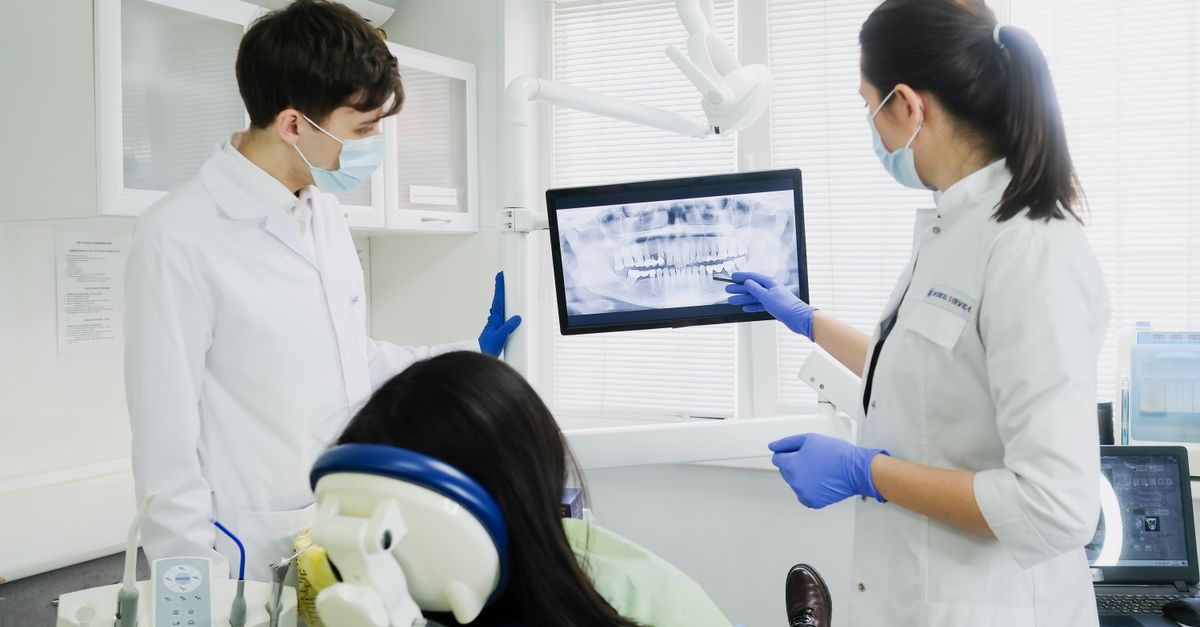
Each case is planned individually, but the overall process usually follows a structured clinical sequence.
1. Examination and diagnosis
The first step is a detailed assessment of the tooth, surrounding gums, bone support, and overall oral condition. If there is a history of gum disease, gum recession, or previous implant problems, that information becomes especially important in planning.
2. Digital planning
Digital dentistry can support more precise diagnosis and treatment planning. In appropriate cases, digital evaluation helps the clinician assess implant position, prosthetic direction, and tissue relationships before surgery. This is particularly valuable in visible areas where small differences in position can affect both function and aesthetics.
3. Tooth extraction when required
If the tooth cannot be preserved, extraction is performed as carefully and atraumatically as possible. Protecting the surrounding bone and gum tissue is an important part of immediate implant planning.
4. Implant placement
When the site is suitable, the implant is placed during the same appointment. Primary stability is one of the key requirements at this stage. In selected cases, implant surgery with surgical guide may support more controlled positioning based on the treatment plan.
5. Temporary restoration in selected cases
Some patients may receive a temporary prosthesis application on the same day, depending on implant stability, bite conditions, and the location of the implant. This step is always decided cautiously. A temporary tooth is not simply a cosmetic addition; it must also respect the healing process.
6. Healing and follow-up
After surgery, follow-up visits are essential. The area is monitored for gum response, comfort, hygiene, and integration. Patients are usually advised that healing quality depends not only on the procedure itself but also on oral care and regular professional review.
Why gum health matters before and after implant placement
Immediate implant treatment should never be separated from periodontal health. If the gums are inflamed, bleeding, or receding, these issues can influence treatment safety and long-term stability. For this reason, gum disease treatment and gum recession treatment may be relevant parts of the broader care plan when indicated.
Healthy soft tissue helps create a more stable environment around the implant. This is important not only for comfort and aesthetics, but also for reducing the risk of future complications. Patients with a history of peri-implant inflammation or bone loss around older implants often benefit from a careful risk-based evaluation before any new implant treatment is started.
The role of precision in aesthetic and functional outcomes
In immediate implant treatment, correct three-dimensional positioning is essential. The implant must support both function and tissue stability. If placement is too shallow, too deep, or in the wrong angulation, the risk of aesthetic compromise and maintenance problems may increase.
This is one reason why digital dentistry and, in suitable cases, surgical guide-supported planning can be valuable. Precision is not about technology for its own sake. It is about making treatment decisions that respect anatomy, prosthetic design, and long-term tissue behavior.
What patients should ask during consultation
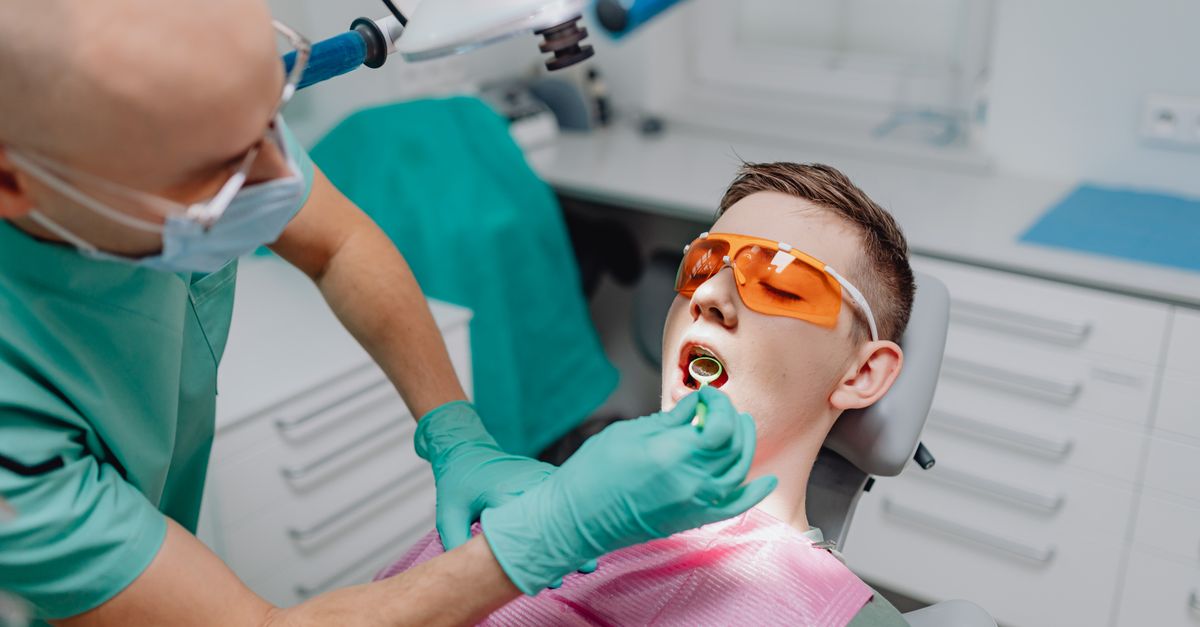
A good consultation should help the patient understand not only what can be done, but why a certain approach is recommended. Useful questions include:
- Is immediate implant treatment biologically appropriate in my case?
- What is the condition of my gums and bone at the treatment site?
- Would a staged approach be safer than immediate placement?
- Would a temporary prosthesis be appropriate, or should the area heal first?
- How will follow-up and maintenance be managed after treatment?
These questions support informed decision-making and help align expectations with clinical reality.
Final thoughts
Immediate implant treatment can be a valuable option when case selection is correct and planning is thorough. It is not suitable for every extraction site or every patient. The safest approach is one based on tissue health, bone conditions, functional demands, and individualized assessment.
For patients with gum disease, gum recession, aesthetic concerns, or previous implant complications, a detailed evaluation is especially important. In modern implant care, the best results usually come from respecting biology first and aesthetics second—not separating the two, but building aesthetics on a healthy foundation.
This article is for informational purposes only and does not replace clinical examination, diagnosis, or personalized treatment planning.
Frequently asked questions
Is immediate implant treatment suitable for everyone?
No. Suitability depends on bone support, gum condition, infection status, bite forces, and the ability to achieve stable implant placement.
Can an implant be placed on the same day as tooth extraction?
Yes, in selected cases. Same-day placement may be possible when the extraction site and surrounding tissues are appropriate and the implant can be placed with sufficient stability.
Do gum problems affect immediate implant treatment?
Yes. Gum disease, inflammation, or recession can affect planning and healing. In some patients, periodontal treatment may need to be addressed before implant placement.
Is a temporary tooth always placed immediately?
No. A temporary prosthesis application may be possible in some cases, but only when it does not compromise healing or implant stability.
Why is individualized planning important?
Because immediate implant treatment is highly case-dependent. Anatomy, tissue quality, function, and aesthetic risk vary from one patient to another.