 TR

Smile design is not just about making teeth look whiter or straighter. It is a personalized planning process that considers dental health, gum harmony, facial balance, and functional needs before aesthetic decisions are made.
Smile design is often described as an aesthetic treatment, but in clinical practice it is better understood as a personalized planning process. The goal is not to create a generic “perfect smile,” but to design a smile that fits the individual patient’s face, gums, teeth, bite, and oral health condition.
A careful smile design plan usually starts with a simple question: what is healthy, stable, and biologically appropriate for this patient? Only after that foundation is established do shape, symmetry, proportion, and overall appearance become meaningful. This health-first approach is especially important for patients with gum inflammation, gum recession, missing teeth, old dental work, or concerns about the front teeth.
For many adults, the most important part of smile design is not a dramatic change. It is understanding what can be improved naturally, what should be protected, and how to move forward with a treatment plan that respects both function and appearance.
What smile design really means

Smile design is the process of evaluating and planning the visual and functional relationship between the teeth, gums, lips, and face. It is not limited to one single procedure. Instead, it helps guide clinical decisions so that aesthetic changes are compatible with oral health and long-term stability.
A well-planned smile design may consider:
- Tooth shape, size, and proportion
- Tooth position and alignment
- Gum levels and symmetry
- Smile line and lip support
- Color transitions and overall natural appearance
- Bite relationship and functional balance
- The condition of existing teeth, restorations, implants, and supporting tissues
This is why smile design should not be reduced to a cosmetic template. Two patients may ask for a brighter, more balanced smile, but the correct plan can be very different depending on their gum health, bone support, previous treatments, and facial characteristics.
For a broader overview of how balanced and natural-looking planning is approached, you can also read Smile Design Treatment: Planning a Balanced and Natural-Looking Smile.
Why personalized planning matters
Personalization is central to smile design because the mouth is not an isolated structure. Teeth are framed by the lips, supported by the gums and bone, and influenced by facial movement. A smile that looks attractive in a photograph may still feel unnatural if it does not fit the patient’s speech, bite, or soft tissue anatomy.
Every patient starts from a different biological condition
Some patients have healthy gums and want to improve shape or balance. Others may have bleeding gums, recession, worn teeth, failed restorations, or old implants in the aesthetic zone. In these cases, planning must begin with diagnosis rather than appearance alone.
If gum inflammation or periodontal problems are present, these issues generally need to be understood and managed before aesthetic decisions are finalized. This is one reason periodontal evaluation is often part of smile planning. If you want to understand that background better, see Gum Disease Treatment: Diagnosis, Stages, and Periodontal Care Options.
Natural-looking results depend on proportion, not exaggeration
In many cases, patients are not looking for teeth that appear obviously “done.” They want a smile that looks healthier, more harmonious, and more consistent with their face. Personalized planning helps avoid overbuilt shapes, excessive uniformity, or changes that do not suit the patient’s age, lip position, or gum display.
Function and aesthetics must support each other
Even when the main concern is visual, function still matters. The way teeth come together, the support of the lips, and the position of the front teeth can influence comfort and durability. Smile design therefore benefits from a clinical perspective that does not separate appearance from biology.
What is evaluated during smile design planning
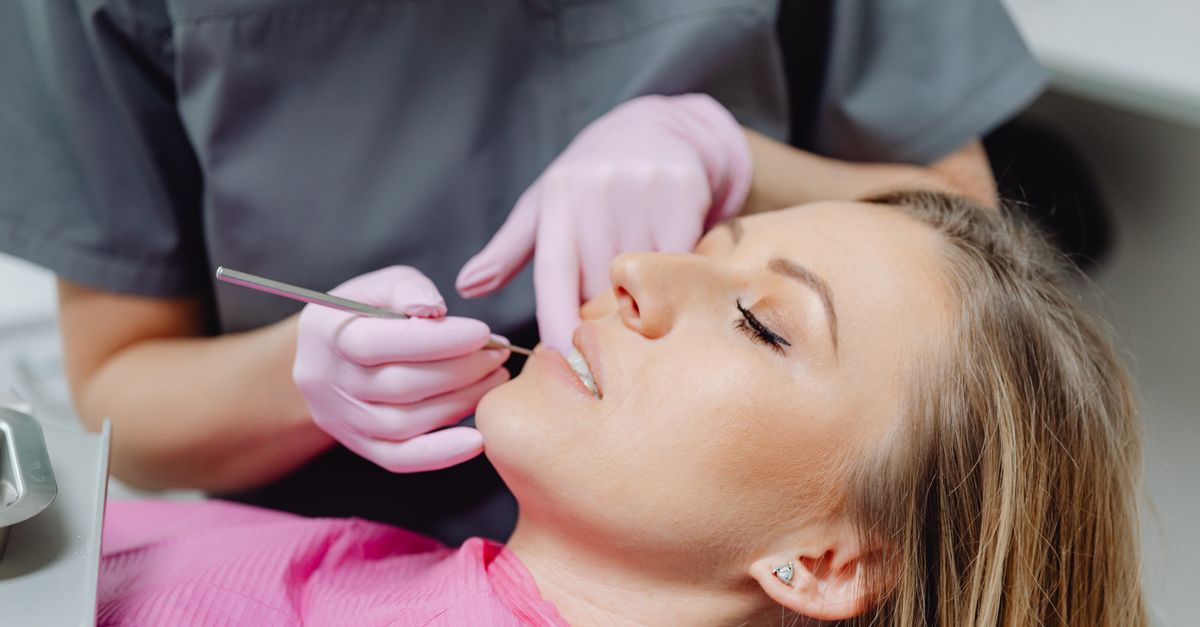
A proper smile design assessment usually involves more than a quick visual opinion. It is a structured review of the patient’s oral condition and aesthetic goals.
Facial and smile analysis
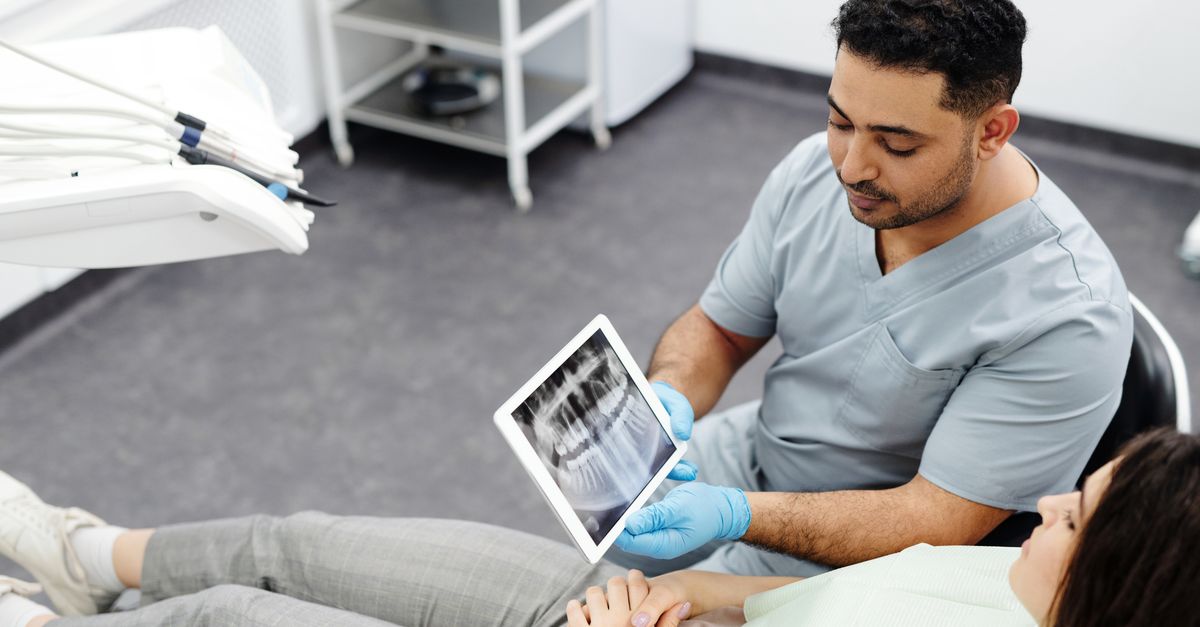
The clinician may assess facial proportions, lip movement, smile width, and how much tooth and gum tissue is visible during speech and smiling. These observations help determine whether the planned smile will appear balanced in motion, not just at rest.
Teeth and bite relationship
The size, form, wear patterns, spacing, crowding, and position of the teeth are important. Existing fillings, crowns, or other restorations may also affect the plan. Bite analysis helps identify whether an aesthetic change can be supported functionally.
Gum architecture and periodontal health
The gums play a major role in smile aesthetics. Uneven gum levels, inflammation, recession, or loss of tissue support can change how teeth appear. In some patients, the main reason a smile looks unbalanced is not the teeth themselves, but the surrounding soft tissue.
Missing teeth or implant-related considerations
When a patient has missing teeth, implants, or previous implant complications, smile design planning becomes more complex. The position of the implant, the surrounding bone and gum tissue, and the visibility of the area in the smile all matter. In aesthetically sensitive cases, planning should be especially careful and individualized.
Patients who are also exploring implant treatment may find it helpful to read Immediate Implant Treatment: Who May Be Suitable and How the Process Works and Surgical Guide Implant Surgery: Precise Digital Planning for Implant Placement.
The role of digital dentistry in smile design

Digital dentistry can support smile design by making planning more precise and easier to visualize. Digital records, photographs, scans, and planning tools can help the clinician evaluate tooth position, tissue relationships, and overall symmetry in a more detailed way.
Digital tools do not replace clinical judgment, but they can improve communication and planning. They may help with:
- Analyzing tooth proportions and smile lines
- Comparing current conditions with proposed changes
- Planning restorations or implant positions with greater precision
- Improving coordination between biological needs and aesthetic goals
In the right hands, digital planning supports a more measured and individualized process. It is most valuable when used as part of a comprehensive clinical evaluation rather than as a marketing shortcut.
Why gum health is often the foundation of smile design
Healthy gums are essential for a stable and attractive smile. Teeth do not appear in isolation; they emerge from the gum tissue. If the gums are inflamed, receding, asymmetrical, or unsupported, aesthetic work may look incomplete or become difficult to maintain.
This is particularly relevant for adults who notice bleeding during brushing, sensitivity near the gumline, longer-looking teeth, or dark spaces between teeth. These signs may affect not only comfort but also the visual balance of the smile.
Gum disease can change the appearance of the smile
Inflammation may alter gum contour, color, and firmness. Over time, periodontal problems can also affect tooth support and position. When this happens, smile design planning must consider health stabilization first.
Gum recession can influence symmetry and tooth proportion
Recession may make teeth appear longer or uneven and can expose root surfaces. In these situations, aesthetic concerns often overlap with biological concerns. The plan should be based on the cause, severity, and tissue condition rather than appearance alone.
Front teeth require especially careful tissue management
In the aesthetic zone, even small differences in gum level or contour can be noticeable. This is one reason why a conservative, biologically informed approach is often more appropriate than rushing into visible changes.
Who may benefit from smile design evaluation
Smile design may be worth considering for adults who want a more balanced smile but also want to understand the health factors behind aesthetic planning.
This may include patients who:
- Are unhappy with the shape, proportion, or harmony of their smile
- Have visible gum asymmetry or gum recession
- Have old restorations that no longer match surrounding teeth
- Have missing teeth or are considering implant-related treatment in visible areas
- Want a more natural-looking result rather than a standardized cosmetic look
- Need a second opinion before making irreversible aesthetic decisions
Not every patient needs major treatment. Sometimes the most important outcome of a consultation is clarity: understanding what is possible, what should be protected, and what sequence makes the most biological sense.
What patients can expect from the planning process
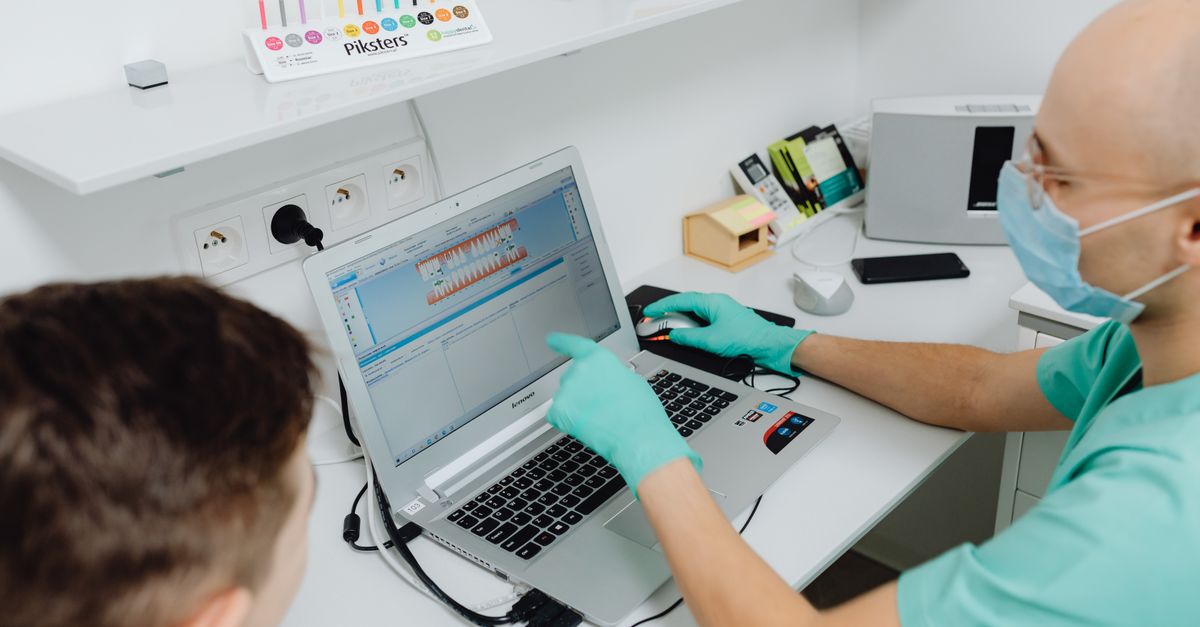
Although every case is different, smile design planning usually follows a step-by-step logic rather than a one-size-fits-all pathway.
1. Listening to the patient’s concerns
Some patients focus on color, others on gum visibility, asymmetry, worn edges, or a previous treatment that does not look natural. Understanding the patient’s own perception is an important starting point.
2. Clinical examination and diagnosis
The next step is to evaluate the teeth, gums, bite, and any existing restorations or implants. This helps distinguish what is primarily aesthetic from what is also functional or biological.
3. Defining priorities
If there is active gum disease, tissue instability, or another underlying issue, that may need attention before final aesthetic planning. This sequence matters because appearance is more predictable when the supporting tissues are healthy.
4. Personalized treatment planning
The plan is shaped around the individual patient rather than a standard package. In some cases, the focus may be on soft tissue harmony. In others, digital planning, implant-related considerations, or staged treatment may be more relevant.
5. Clear communication about realistic goals
A responsible smile design discussion should explain not only what may improve, but also what limits exist. Natural anatomy, tissue condition, previous treatment history, and long-term maintenance all influence the final plan.
Health first, then aesthetics
One of the most important principles in smile design is that aesthetics should rest on a healthy biological foundation. A smile may look attractive at first glance, but if the gums are unstable, the bite is not considered, or the tissues are under strain, the plan may not serve the patient well.
This is why a careful approach often feels calmer and more deliberate. It avoids unnecessary promises and focuses instead on diagnosis, planning, and compatibility between health and appearance. For many patients, that is exactly what makes a smile design process more trustworthy.
When a second opinion can be valuable
A second opinion may be especially helpful if you have been advised to undergo major aesthetic dental work without a detailed explanation of gum condition, tissue support, implant position, or bite factors. It can also be useful if you already have an implant or restoration in the front region and are unhappy with the appearance.
In these cases, the key question is not simply “How can this be made prettier?” but “What is causing the imbalance, and what is the most biologically sound way to improve it?” That shift in perspective often leads to better decision-making.
Final thoughts on smile design
Smile design is best understood as personalized aesthetic dental planning, not a fixed cosmetic formula. A thoughtful plan respects the relationship between teeth, gums, function, and facial appearance. It also recognizes that long-term satisfaction usually depends on health, stability, and natural harmony rather than dramatic change alone.
If you are considering smile design, it is reasonable to look for an approach that evaluates your oral condition carefully, explains the biological basis of the plan, and places health before appearance. In aesthetic dentistry, that sequence is not a limitation. It is the foundation of responsible care.