 TR
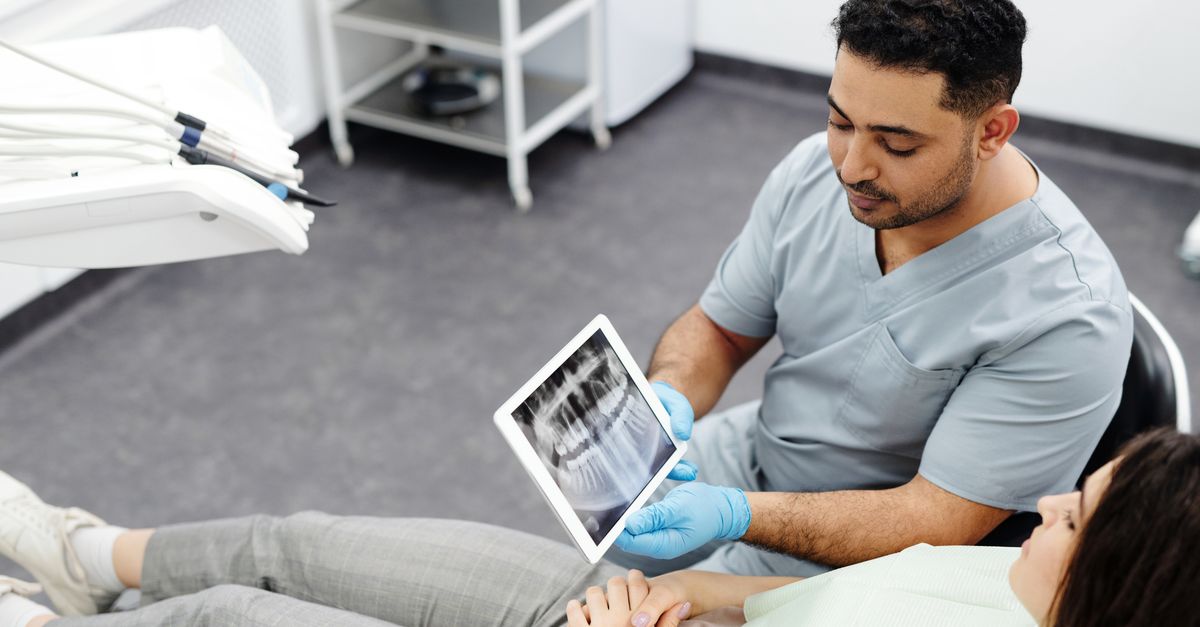
Digital dentistry helps make treatment planning more precise, visual, and patient-specific. Learn how digital tools support implant planning, periodontal assessment, and smile-oriented care.
Digital dentistry has changed how many dental problems are evaluated, planned, and followed over time. Rather than relying only on traditional impressions, two-dimensional records, or visual estimation, digital tools can help the clinician collect more detailed information and use that information in a structured treatment plan.
For patients, this often means a clearer understanding of the current condition, a more visual planning process, and decisions based on measurable findings rather than guesswork. In modern care, digital dentistry is especially valuable when treatment involves implants, gum health, functional concerns, or aesthetic planning. The key point, however, is that technology should support sound clinical judgment—not replace it.
In a biologically guided approach, digital systems are used to better understand the teeth, gums, bone, bite, and facial balance before treatment begins. This is particularly important when the goal is not only to improve appearance, but also to protect long-term oral health.
What is digital dentistry?

Digital dentistry refers to the use of digital technologies in diagnosis, treatment planning, treatment execution, and follow-up care. Depending on the clinical need, this may include digital scanning, digital imaging, computer-assisted planning, and digitally guided treatment workflows.
These tools can help create a more detailed picture of the mouth and surrounding structures. In practical terms, digital dentistry may support:
- More precise recording of teeth and soft tissues
- Better visualization of bite relationships and spacing
- Improved planning for implant position
- Assessment of aesthetic proportions in smile-related cases
- Clearer communication between dentist and patient
- More consistent documentation for follow-up comparisons
Digital methods do not mean every patient receives the same plan. On the contrary, they are most useful when treatment is tailored to the individual biology and clinical findings of each patient.
Why digital planning matters in modern dental care
Modern treatment planning often involves multiple factors at the same time: infection control, gum condition, bone support, function, aesthetics, and patient expectations. Digital dentistry helps organize this information so that treatment decisions can be made more carefully.
Seeing the full clinical picture
Many dental problems are not isolated. A patient may have gum inflammation, recession, missing teeth, bite problems, or complications around existing implants at the same time. Digital records can help the clinician evaluate how these findings relate to one another and which issue should be addressed first.
For example, if there is active periodontal disease, tissue instability, or inflammation around an implant, these biological concerns generally need to be understood and managed before any purely aesthetic objective is prioritized. This reflects an important principle in responsible dental care: health comes before appearance.
Supporting more precise communication
One of the practical benefits of digital dentistry is communication. Patients often find it easier to understand their condition when they can see digital images, scans, or planning visuals. This can make consultations more productive and help patients ask informed questions about risks, alternatives, and treatment sequence.
Improving treatment sequencing
In more complex cases, success often depends on choosing the right order of treatment. A digital workflow can support decisions such as whether gum treatment should come before restorative work, whether an implant site needs careful planning, or whether smile-related changes should wait until the tissues are healthy and stable.
How digital dentistry supports implant treatment
Digital dentistry plays an important role in implant planning because implant treatment is not only about placing a fixture in bone. Proper planning must consider bone volume, soft tissue condition, prosthetic position, hygiene access, and aesthetic demands—especially in visible areas.
Implant planning with greater precision
When digital planning is used appropriately, implant position can be evaluated in relation to future restoration, surrounding anatomy, and tissue support. This is one reason digital workflows are closely connected with surgical guide implant surgery, where precise planning helps transfer the intended position more accurately to the clinical procedure.
This can be especially relevant in cases where available bone, neighboring teeth, or aesthetic visibility require careful control. In the anterior region, even small positional differences may affect both function and appearance, so planning quality matters.
Immediate implant treatment and digital workflow
Digital dentistry can also support decision-making in cases considered for immediate implant treatment. However, immediate treatment is not simply a matter of speed. Case selection remains essential. The condition of the bone, the presence or absence of infection, the soft tissue situation, and the overall treatment objective all need careful evaluation.
Digital tools can help assess the site and support planning, but they do not eliminate biological limitations. A responsible treatment plan still depends on whether the case is truly suitable.
Evaluating implant complications
Digital dentistry is also useful when patients present with existing implant problems such as inflammation, bone loss, aesthetic concerns, or prosthetic mismatch. In these situations, the goal is not to make assumptions based on symptoms alone, but to study the condition in detail and identify the reason for the complication.
This is particularly important in implant complication treatment, where the source of the problem may involve tissue health, implant position, restorative contours, or hygiene-related factors. Digital records can support analysis and follow-up, helping the clinician compare conditions over time.
The role of digital dentistry in gum health and tissue stability

Digital dentistry is often associated with implants or cosmetic planning, but it is also highly relevant in periodontal care. Gum health affects comfort, appearance, hygiene, and long-term treatment stability. If the soft tissues are inflamed or receding, digital planning alone is not enough—but it can help document and monitor the condition more clearly.
Assessment of gum disease
Patients with bleeding gums, swelling, bad breath, or gum sensitivity may need a detailed periodontal evaluation before any restorative or aesthetic treatment is considered. Digital records can support documentation, comparison, and treatment planning, but the clinical examination remains central.
For patients who want to better understand the biological side of periodontal care, gum disease treatment should begin with diagnosis and staging rather than assumptions based only on visible symptoms.
Monitoring gum recession and tissue contours
In gum recession cases, digital methods may help evaluate tissue contours, tooth exposure, and changes over time. This can be useful both for diagnosis and for explaining the problem to the patient. Recession is not only an aesthetic issue; it may also be associated with sensitivity, root exposure, plaque retention, or tissue fragility.
When recession is present around natural teeth or implants, planning should be based on tissue biology and long-term stability rather than appearance alone.
Digital dentistry and smile-focused planning
When patients are concerned about the appearance of their smile, digital dentistry can help make planning more structured and more transparent. Still, a healthy smile plan should begin with function and tissue health, not just visual goals.
Balancing aesthetics with biology
Digital tools can help assess tooth proportions, smile line, symmetry, and the relationship between teeth and gums. This can support smile planning in a more measured way, especially when changes need to fit the patient’s face and existing oral condition.
In this context, digital dentistry may complement smile design treatment by helping visualize options and improve planning accuracy. However, a natural-looking result depends on more than software. It depends on diagnosis, tissue condition, functional planning, and realistic treatment goals.
Why not every case should be rushed into cosmetic treatment
Some patients seek aesthetic improvement while also having gum inflammation, recession, unstable restorations, or implant-related concerns. In these cases, digital smile planning can be useful, but it should not distract from the underlying health issue. Treating biological problems first is often the safer and more responsible path.
What patients can expect from a digital dentistry consultation
A digital dentistry consultation is usually less about technology for its own sake and more about collecting the right information to build a sound treatment plan. Depending on the case, the consultation may involve digital records, clinical examination, and discussion of priorities.
Patients may expect the consultation to focus on questions such as:
- What is the current condition of the teeth, gums, and supporting structures?
- Is there active disease or inflammation that should be treated first?
- Are implants, periodontal treatment, or restorative steps being considered?
- What sequence of care is most appropriate?
- What are the realistic treatment options based on the clinical findings?
This type of process is especially important for patients seeking a second opinion, those with previous implant complications, or those considering treatment in the aesthetic zone where precision matters greatly.
Who may benefit from digital dentistry?
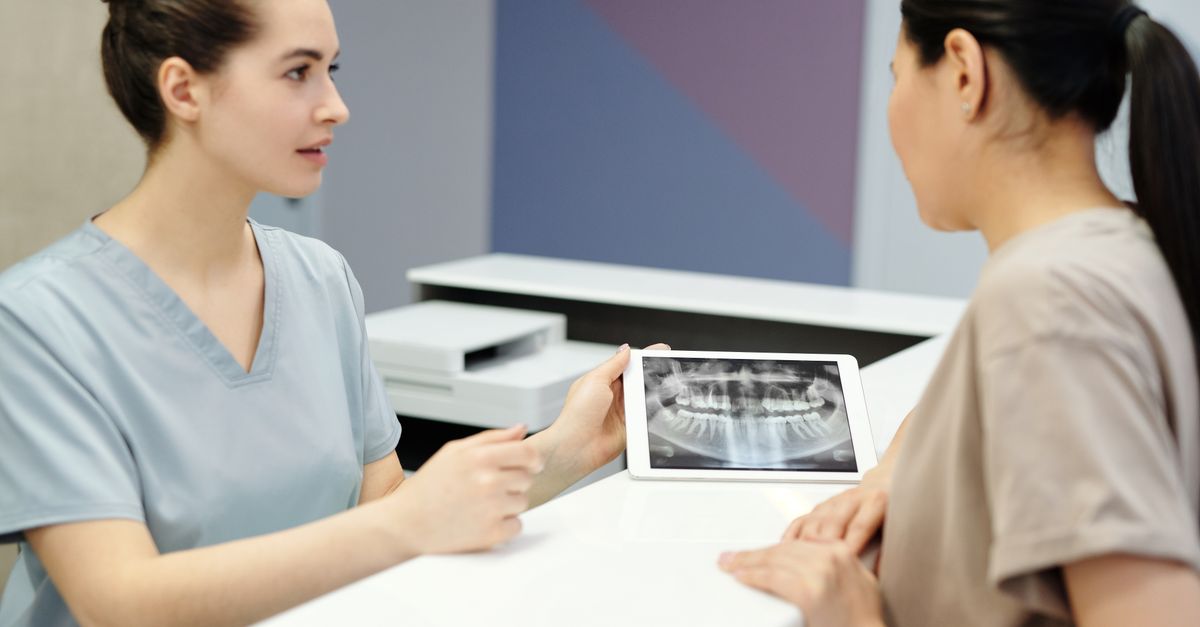
Digital dentistry can be useful in many areas of modern dental care, but it is particularly relevant for patients with complex planning needs. This may include:
- Patients considering implant treatment
- Patients with existing implant complications
- Patients with gum disease or gum recession
- Patients planning smile-related treatment
- Patients who want a more visual and structured explanation of their condition
- Patients seeking a careful second opinion before treatment begins
The main benefit is not technology alone. It is the ability to combine detailed records with clinical expertise to make more thoughtful decisions.
Digital dentistry as a tool—not a shortcut
Digital systems can improve precision, documentation, and communication, but they do not replace diagnosis, experience, or biological understanding. In responsible dental care, technology should serve the patient’s health, not lead the treatment in isolation.
For that reason, digital dentistry is most valuable when it is integrated into a broader clinical approach that respects periodontal health, implant biology, functional needs, and aesthetic balance. Especially in complex cases, careful planning is often what protects both treatment quality and long-term stability.
If you are dealing with gum problems, implant-related concerns, or questions about a more precise treatment plan, a detailed evaluation can help clarify the condition and the most appropriate next steps.
Frequently Asked Questions
Is digital dentistry only for cosmetic treatments?
No. Digital dentistry is used in many areas of care, including implant planning, gum evaluation, treatment documentation, and restorative decision-making. It can support aesthetic planning, but it is not limited to cosmetic cases.
Does digital dentistry mean treatment is always faster?
Not necessarily. Digital tools may improve efficiency in some steps, but proper diagnosis and biological planning still take time. The right treatment sequence depends on the patient’s condition, not on speed alone.
Can digital dentistry help with implant complications?
Yes, digital records and planning can help evaluate implant-related problems more carefully. This may support diagnosis, treatment planning, and follow-up in cases involving inflammation, bone loss, or aesthetic concerns.
Is digital planning important for gum disease or gum recession?
It can be helpful, especially for documentation and monitoring. However, digital tools do not replace clinical periodontal examination. Gum disease and recession still require proper diagnosis and biologically sound treatment planning.
Does digital dentistry replace clinical expertise?
No. Digital systems are tools that support evaluation and planning. They are most effective when used by a clinician who can interpret the findings within the full biological and functional context of the case.